 English

Can Game Keys Expire? What Buyers Should Know
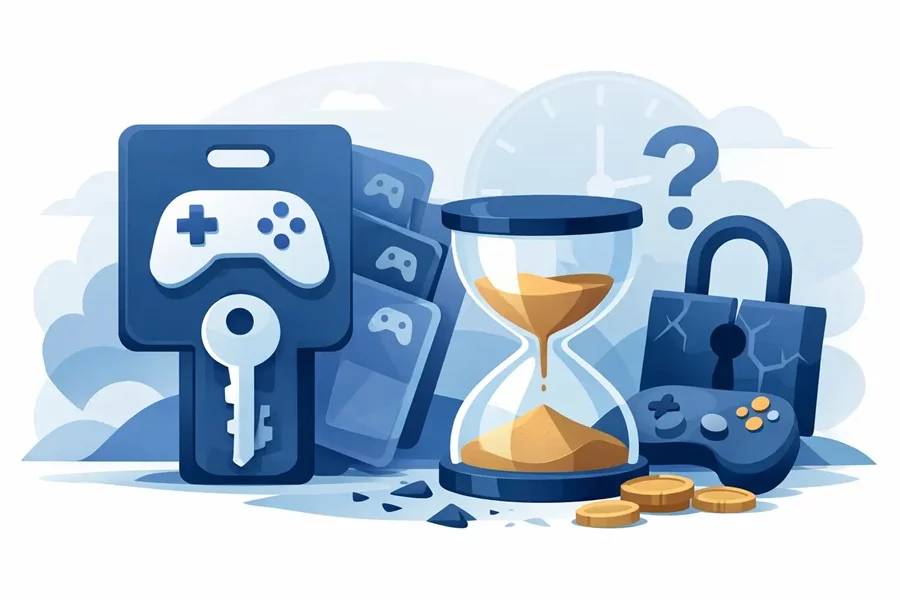
You found a cheap game key, added it to cart, then paused on one annoying question: can game keys expire? The short answer is yes, some can. But most standard game activation keys sold for major PC and console platforms do not expire in the simple way people fear. The catch is that expiration depends on the publisher, the platform, the seller, and sometimes the promotion attached to the code.
That distinction matters if you buy discounted games, DLC, gift cards, or subscription codes and want fast delivery without buying something that turns into a support ticket later.
Can game keys expire on all platforms?
Not all keys work the same way. A Steam game key for a standard retail product is usually very different from a limited-time promo code, a pre-order bonus code, an Xbox subscription code, or a wallet gift card. People often treat all digital codes as if they follow one rule, but they do not.
In many cases, a standard game key remains valid until it is redeemed, as long as it has not already been used, revoked, or restricted by region or platform policy. That is why buyers can activate older game codes years after release and still have no problem.
Where things get messy is with special cases. Promotional keys can have activation windows. Beta access codes may expire after the test period ends. Some DLC vouchers are tied to a campaign with a fixed redemption deadline. Subscription and gift card products may also come with terms that limit when or where they can be redeemed.
So if you are asking can game keys expire, the real answer is this: some absolutely can, but a lot of standard game keys do not unless the publisher or platform says otherwise.
The main reasons a game key stops working
A non-working code does not always mean it expired. That is one of the biggest misunderstandings in digital marketplaces.
The first possibility is actual expiration. This usually applies to promotional offers, event codes, trial access, pre-order bonuses, and time-limited bundles. If the code came from a campaign rather than a normal retail key pool, there may be a hard date attached.
The second possibility is prior redemption. A used key can look like an expired one to the buyer because both lead to the same result - you cannot activate it.
The third issue is region locking. A key might be perfectly valid but unusable in your account region. That is not expiration. It is a compatibility problem.
The fourth is platform delisting or publisher action. In rare cases, publishers revoke keys that were distributed through unauthorized channels or tied to canceled promotions. Again, that feels like expiration from the customer side, but technically it is different.
There is also the issue of product type. Game keys, wallet top-ups, season passes, and subscription codes often have different redemption rules even on the same storefront.
Which types of codes are more likely to expire?
If you want the safer bet, standard base game keys are usually the least complicated. The more specialized the code, the more careful you should be.
Promotional keys are the biggest risk. These include codes bundled with hardware, giveaway campaigns, influencer promos, or launch events. They often carry terms nobody reads until activation fails.
Pre-order and bonus content codes can also have deadlines. The base game may redeem fine, while the extra skin, soundtrack, or DLC voucher no longer works because the bonus period ended.
Subscription codes deserve extra attention. Xbox Game Pass, PlayStation Plus, EA Play, and similar memberships may have stack limits, account restrictions, and redemption timing rules. Some must be used within a set period after purchase.
Gift card and wallet codes can vary too. Many remain usable for a long time, but the exact terms depend on the brand and region. With digital credits, buyers should always check the stated validity and market before paying.
How to tell if a game key might expire before you buy
The best protection is not guessing. Good listings usually tell you what the product is, where it redeems, and whether there are time limits.
Look at the product title first. If it says beta, promo, trial, pre-order bonus, starter pack, voucher, or limited offer, assume there may be an expiration date somewhere in the details.
Then check the platform and activation method. A straightforward Steam, Epic Games, EA App, Ubisoft, Xbox, or PlayStation product key is easier to evaluate than a vague code description with no redemption instructions.
The product page should also make clear whether the key is region-free, region-locked, or tied to a specific account market. That will not tell you if it expires, but it will help you avoid buying a valid code you still cannot use.
Seller reputation matters just as much as the listing. Trusted support, clear refund policies, and verified product details are what separate a good deal from a cheap headache. On marketplaces like Playnox, that clarity is a big part of the value because buyers are usually comparing price and risk at the same time.
Can old game keys still work years later?
Yes, often they do. A lot of buyers are surprised by how many older PC game keys still activate without issue. If the key was generated for standard retail activation and the platform still supports redemption for that product, age alone does not necessarily matter.
That said, older keys come with more variables. Publishers merge launchers, remove older editions, rename products, or change entitlement structures for DLC and bundles. In those cases, a key may still be valid, but the activation result can look different from the original store listing.
For example, an old game key might redeem to a newer complete edition, or it might activate a legacy version with fewer extras than current buyers expect. That is not always a problem, but it is worth checking if you are buying older catalog titles for the best price.
What to do if your game key does not work
Start simple. Double-check the platform, spelling, and account region. A surprising number of failed activations come from entering a Steam key on the wrong launcher or trying to redeem a region-specific code on the wrong account.
If the code still fails, read the exact error message. Platforms usually say whether the code is invalid, already redeemed, restricted by region, or unavailable for your account. That message helps separate expiration from everything else.
Then contact the seller with the order number, the error text, and a screenshot if possible. Fast support matters here. A trustworthy marketplace should be able to verify the key status or replace it if the issue is legitimate.
Do not sit on a purchase for months if you can avoid it. Even if many keys do not expire, redeeming soon after delivery is the safer move. It gives you a clean record of what happened and makes support much easier if something goes wrong.
Are cheap game keys more likely to expire?
Cheap does not automatically mean risky. Many discounted game keys are simply sourced from legitimate bulk distribution, regional pricing differences where allowed, old inventory, or promotional pricing strategies. A low price alone is not proof of expiration risk.
What matters is the product category and the seller transparency. A cheap standard key from a trusted marketplace is usually safer than a vaguely described promo code from a seller that tells you nothing about region, platform, or redemption terms.
The smartest buyers compare more than price. They look at delivery speed, listing accuracy, platform compatibility, support quality, and whether the store clearly explains what happens if the code does not activate.
The safest way to buy digital game codes
If your goal is to get a better price without unnecessary risk, focus on listings with clear platform labels, region information, and straightforward product names. Standard retail keys are usually the least confusing option. Promo and bonus codes can still be worth buying, but only when the redemption terms are obvious.
It also helps to redeem quickly, keep your confirmation email, and avoid making assumptions based on the word key alone. A game key, a gift card, and a subscription voucher may all be digital codes, but they follow different rules.
That is really the whole story behind can game keys expire. Some do, many do not, and the difference usually comes down to what kind of code you are buying rather than how old it is. If the listing is clear and the seller is reliable, you can usually shop for deals with a lot more confidence.
The best digital purchase is not just cheap. It is cheap, correct, and ready to redeem the moment it lands in your inbox.