 English

Why Are Game Skins Expensive in 2026?
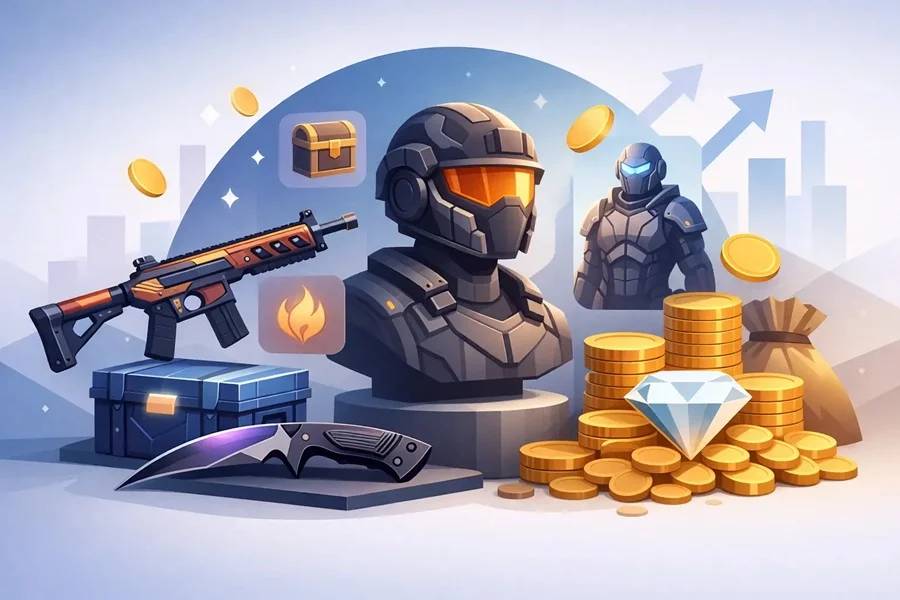
You see a weapon skin priced like a full game, and the first reaction is usually the same: why are game skins expensive if they do not change gameplay at all? Fair question. The short answer is that you are not just paying for pixels. You are paying for rarity, demand, status, timing, platform economics, and in some cases a real resale market that behaves a lot like collectibles.
Why are game skins expensive? The real answer
Most expensive skins sit at the intersection of scarcity and demand. That sounds obvious, but in games it gets more intense because supply is often tightly controlled by the publisher or by item drop systems. If a skin was only available during a short event, came from a rare case, or has low odds of dropping, the number in circulation stays small while interest keeps growing.
That is when prices stop looking rational to outsiders. A skin is not expensive because it has more material cost to produce. It is expensive because enough players want it, and not many can get it. Once a cosmetic becomes a flex item, a collector piece, or part of a recognizable loadout, the price can jump far beyond what its original release suggested.
The same logic shows up across games, but not every skin economy works the same way. A skin in a fixed-price store behaves differently from a skin that can be traded between players. That difference matters a lot.
Scarcity is manufactured, but demand is real
Game publishers are very good at controlling supply. They can create limited-time bundles, season-exclusive cosmetics, rotating shops, battle pass rewards, or ultra-low drop rates. None of that happens by accident.
When players know an item may not return soon, or may never return at all, they act fast. That urgency pushes demand higher, especially during the launch window. Even players who are on the fence may buy because they do not want regret later.
This is one reason a skin can feel overpriced yet still sell well. The buyer is not only judging the item itself. They are also reacting to fear of missing out. In value terms, the skin may not be worth much. In market terms, timing can make it feel essential.
Limited drops create premium pricing
A skin sold year-round usually has a price ceiling. Players know they can grab it later, so urgency stays low. A skin tied to an event, collaboration, or rare case is different. Limited availability gives it a premium from day one.
That premium gets even stronger when the skin is attached to a popular game, pro player, weapon type, or franchise crossover. Suddenly it is not just a cosmetic. It is part of a moment players want to own.
Player-to-player markets make prices explode
In games with trading or marketplace support, skin prices can move far above publisher pricing. Once players start buying and selling to each other, the market takes over. At that point, the price is no longer based on what the developer charged. It is based on what the next buyer is willing to pay.
That is why some skin markets look almost absurd from the outside. A rare item with strong visual appeal, low supply, and community status can keep climbing if collectors and competitive players both want it. Add content creators showing it off, and demand gets another push.
This is where the question why are game skins expensive has the clearest answer: because a real market exists around them. And real markets are emotional, speculative, and often driven by scarcity.
Some skins act like digital collectibles
Not every buyer wants a skin just to equip it. Some buy because they believe it will hold value, become harder to get, or gain prestige over time. That shifts the item from simple cosmetic to collectible.
Once that happens, price behavior changes. Buyers are not comparing the skin to other cosmetics anymore. They are comparing it to rare inventory items, old event rewards, or high-status collections. That is a very different buying mindset.
Visual design still matters more than people admit
A rare skin with weak design can stay expensive if supply is tiny, but the biggest winners usually combine rarity with strong looks. Clean finishes, flashy animations, recognizable color schemes, and skins that pair well with gloves, characters, or themed loadouts tend to command more attention.
This matters because skins are social items. Even in solo queue, players care about how their inventory looks. In multiplayer games, cosmetics become part of identity. If a skin is instantly recognizable and widely admired, demand stays stronger for longer.
It is similar to branded fashion, except the value is tied to in-game visibility and community taste instead of fabric. That may sound silly to non-players, but for active players the social value is real.
Platform fees and publisher strategy raise the floor
Some skins are expensive before the community even touches them. That is usually down to how the publisher monetizes the game. Free-to-play titles especially rely on cosmetics to generate revenue, so premium skins are priced to carry a lot of the business model.
A publisher may have millions of players who spend nothing and a smaller group who spend a lot. In that setup, cosmetic pricing is rarely random. It is designed around what the most engaged buyers are willing to pay.
Platform fees, revenue sharing, licensing costs for collaborations, and regional pricing strategy can all affect the sticker price too. If a game works with a major entertainment brand, esports org, or celebrity tie-in, that cost often shows up in the final price.
That does not always mean the skin is overpriced. It means the publisher knows cosmetics are one of the few things players will pay premium money for without changing competitive balance.
Hype can add more value than the skin itself
A skin can go up simply because the right streamer used it, a tournament put it in front of millions, or social media turned it into the must-have item of the month. This is common in games with strong creator ecosystems and active trading communities.
Hype-driven price spikes are not always stable, though. Some skins rise fast and cool off once the attention moves on. Others stay expensive because the hype introduced the item to a much wider audience that keeps demand high.
This is where buyers need to be careful. A skin that looks like a smart pickup during peak hype may look expensive a week later. If you are buying mainly for flex value, timing matters almost as much as rarity.
Cheap skins exist - so why do some cost so much more?
Because most skins are not truly rare, and most do not carry status. A lot of cosmetics are mass-market items made to be broadly affordable. They fill out stores, battle passes, and bundles. Their job is volume.
The expensive ones are a different tier entirely. They usually have at least two of these traits: low supply, strong design, event exclusivity, trading demand, or cultural status in the game. If a skin only has one of those, price growth is harder to sustain.
That is also why two skins that look equally good can have totally different prices. The market is not grading art alone. It is grading availability, age, desirability, and social proof.
Are expensive skins actually worth it?
It depends on what you mean by worth it. If you only care about gameplay, then no, most expensive skins are not worth it. They will not improve aim, reaction time, or rank. From a pure performance angle, the value is weak.
If you care about collecting, customization, account identity, or resale potential in supported ecosystems, the answer gets more personal. Some players spend hundreds of hours in one game. For them, paying more for a skin they really want can make sense in the same way people pay extra for a premium controller, headset, or edition upgrade.
The smarter question is not whether a skin is objectively worth the price. It is whether the skin is worth that price to you, in that game, at that moment. If the answer depends on hype or pressure, wait. If it still feels like a good buy later, that is usually a better sign.
How to buy skins without overpaying
If you are trying to stay value-focused, patience beats impulse almost every time. Watch for market dips after major drops, avoid buying at peak hype, and compare the cost of a skin to how much you actually play the game.
It also helps to separate store price from market value. A flashy new release may be priced high because it is new, not because it will stay desirable. On the other hand, a proven skin with stable demand may hold up better long term.
If you buy digital gaming products regularly, this is the same logic you use anywhere else: compare options, avoid panic buying, and stick to trusted sellers with fast delivery and support. That is one reason marketplaces like Playnox appeal to deal-focused gamers. People want the item, but they still want a better price.
The funny thing about expensive skins is that the price usually makes sense once you stop thinking like a non-player. These items sit where gaming, collecting, identity, and market psychology all overlap. If you treat them like simple cosmetics, the prices look ridiculous. If you treat them like scarce digital status items, the math starts to make a lot more sense.
Before you buy the next pricey skin, ask one simple question: do you want it because you love it, or because everyone else does? That answer will save you more money than any discount ever will.