 English

How Game Key Marketplaces Work and Stay Safe
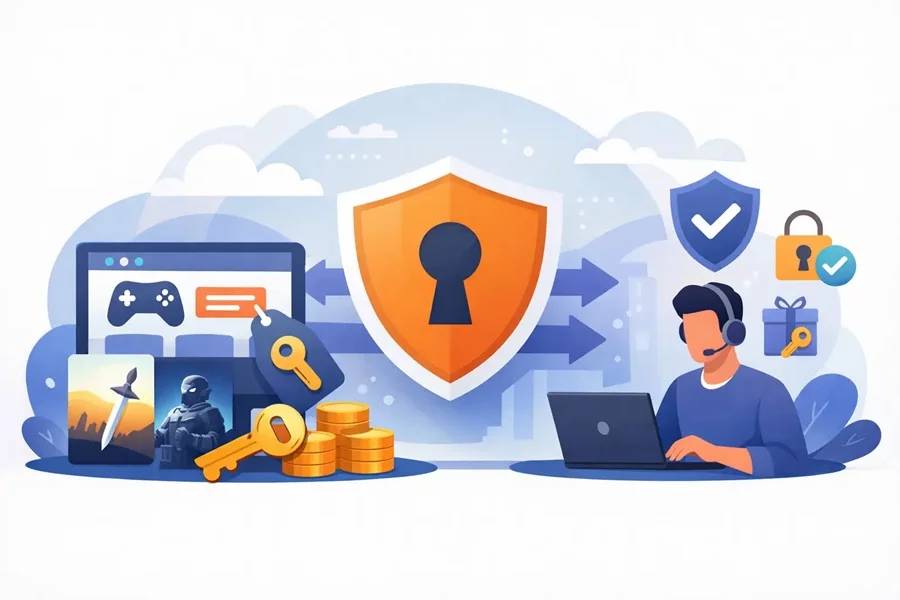
A new release can cost $70 on one platform and appear for much less as a digital code elsewhere. That price gap is exactly why buyers ask how game key marketplaces work before checking out. The short answer: these sites sell redeemable digital codes for games, DLC, subscriptions, gift cards, and software, then deliver the code electronically for activation on the correct platform.
The useful answer is more detailed. A good deal can be legitimate, fast, and simple to redeem, but only if the product matches your platform, country or region, and account. Knowing what happens between a seller listing a key and you activating it helps you shop for cheaper games without turning a discount into a support problem.
How Game Key Marketplaces Work
A game key marketplace is a digital storefront that connects buyers with game codes and other digital products. Depending on the marketplace, the site may sell its own stocked inventory, work with distributors, or host offers from third-party sellers. The product is not the game file itself. It is a unique redemption code that adds a license, wallet balance, subscription, or game content to an account on a platform such as Steam, Xbox, PlayStation Network, Nintendo eShop, Epic Games, EA App, Battle.net, GOG, Rockstar, or Microsoft Store.
After payment is approved, the marketplace displays the code in your order page, sends it by email, or both. You copy the code, sign in to the matching platform, and use that platform's redemption section. Once it activates successfully, the game or item is normally tied to your account. You download it from your library just as you would any other digital purchase.
That is why platform labels matter. A Steam key will not activate on Xbox, and a PlayStation Network wallet code cannot be used in the Nintendo eShop. The product page should state the platform clearly, along with whether it is a base game, DLC, a gift card, a subscription, or in-game content.
Where digital game codes come from
Legitimate digital keys can enter the market through authorized distribution channels, publisher promotions, bundles, regional campaigns, developer partnerships, or excess inventory purchased for resale where permitted. Gift cards and software licenses also commonly move through established digital distribution networks.
Prices can differ because sellers acquired stock at different costs, accepted a smaller margin, or are running a limited-time promotion. Currency differences and regional pricing can also affect pricing, though this is where buyers need to pay close attention to activation restrictions.
A cheap price alone does not prove a listing is bad. It also does not prove it is a smart buy. The real question is whether the code is clearly described, valid for your account, and backed by a marketplace that handles delivery and support responsibly.
Why Game Key Prices Can Be Lower
Digital marketplaces compete hard on price because there are no shipping costs and delivery is immediate. They can also surface weekly deals across many platforms in one place, making it easier to compare the price of GTA V, Elden Ring, Minecraft, Call of Duty points, or a PlayStation gift card before you buy.
Publishers and distributors may discount games heavily during seasonal promotions, franchise sales, or when a sequel and new DLC are generating attention. Older games often fall in price over time, but a key can still offer better value than a standard store listing if the marketplace has bought discounted stock or is taking less profit per sale.
There are trade-offs. A direct platform purchase may include the easiest possible refund path and regional certainty. A discounted key can save money, but you need to verify the listing details before redeeming it. For a game you want immediately, a verified key with fast delivery can be excellent value. For a title you are unsure about, check the marketplace's policy first because redeemed digital codes are generally not refundable.
What Happens After You Pay
The checkout process is usually quick, but digital delivery still has a few steps behind the screen. Payment processing checks the order, fraud systems may review unusual transactions, and then the marketplace releases the code from its inventory or obtains it from the connected supplier. Most orders are delivered within minutes. Some may take longer if an automated security review is needed.
When your key arrives, do not rush straight to activation. First, compare the code's product name and platform with your order. Confirm whether it is region-free or restricted to a particular country, and check if it requires a base game. DLC, edition upgrades, and in-game currency frequently have requirements that the base game does not.
Then redeem the code only through the official redemption area of the listed platform. Never send a code to another person claiming they need to "verify" it, and never enter account credentials on a page that is not the official platform sign-in screen.
If a valid code does not activate, take a screenshot of the error message, keep your order number, and contact marketplace support before trying random fixes. Clear evidence helps support identify whether the issue is a typo, an incorrect region, a platform outage, a duplicate redemption claim, or a listing mismatch.
How to Buy Game Keys Safely
The safest purchase starts before payment. Read the product title, short description, and activation notes rather than relying only on the cover image. A listing for Cyberpunk 2077: Phantom Liberty is not the same product as Cyberpunk 2077, and a digital wallet code is not a game key even if both are redeemed in the same ecosystem.
Use these checks every time you compare an offer:
- Confirm the exact platform and product type, including whether you are buying the base game, DLC, currency, a subscription, or a gift card.
- Check region language carefully. “Global,” “US,” “Europe,” and country-specific labels can have very different activation rules.
- Read whether DLC requires a base game and whether the base game must be from the same platform or region.
- Review the delivery method, support process, and refund policy before revealing or redeeming a code.
- Use a unique password and two-factor authentication on your Steam, console, and email accounts.
- Treat deals that are dramatically below every established seller with extra caution, especially if the listing description is vague.
Account safety matters as much as key safety. A real marketplace should sell you a product code or a clearly defined digital item, not ask for your platform password to complete delivery. Keep purchase confirmations private. A code is effectively cash until redeemed, so a screenshot shared in a group chat can be enough for someone else to claim it first.
Region Locks, Editions, and Other Common Problems
Most key problems are avoidable, but they often come from assumptions. Region locks are the biggest example. A code can be valid and unused but still fail because it was issued for a different country or store region. Do not try to bypass a restriction by changing account settings. Instead, buy a code explicitly approved for your region or marked region-free by the seller.
Edition confusion is another frequent issue. Deluxe, Gold, Ultimate, Complete, and Standard editions can include very different bonuses. Compare the included content before paying extra. Sometimes the higher edition is a strong deal if it includes a season pass you already planned to buy. Other times, the standard edition plus a discounted expansion is cheaper.
Preorders also deserve a closer look. Some keys are delivered immediately but activate only on launch day, while others are sent closer to release. Read the delivery note so you know whether you are buying instant access or reserving a future code.
Are Game Key Sites Safe?
Game key sites are not all the same. Safety depends on the marketplace's sourcing standards, listing accuracy, payment security, customer support, and how it responds when something goes wrong. Look for clear terms, visible platform and region details, realistic prices, and a support route that does not disappear after checkout.
For deal-seekers, the best approach is not to chase the lowest number at any cost. Compare the final price against what you receive: the correct platform, reliable code delivery, straightforward activation instructions, and help if the order needs review. Playnox, for example, focuses on giving buyers a broad range of digital games, software, gift cards, and gaming content with clear platform-based shopping.
A game key marketplace is at its best when it removes friction, not when it creates uncertainty. Check the listing, protect your account, and buy the code that fits your platform and region. Then the only hard choice left is deciding which game to play first.