 English

Best Gift Card Deals for Gamers in 2026

You see a 5% discount on a gift card and it barely registers. Then you stack that same kind of savings across PlayStation credit, Roblox, Google Play, Discord Nitro, or Netflix over a few months, and suddenly it matters. That is why gift card deals are worth paying attention to, especially if you already spend on games, subscriptions, skins, or app store credit.
For deal-focused buyers, gift cards are not just a backup payment method. They are a price tool. If you buy digital content regularly, the right discounted card can cut your actual spend before checkout even starts. But not every deal is good, and not every cheap code is worth the risk.
Why gift card deals matter more than they look
A discounted gift card is one of the simplest ways to lower the real price of digital purchases without waiting for a full store sale. If you grab a $50 card for $45, you have already locked in savings before applying any platform discounts, promo pricing, or seasonal offers.
That matters most on platforms where you know you will spend anyway. Think PlayStation Network top-ups for games and DLC, Roblox credit for Robux, Apple and Google Play balances for mobile games and apps, or Netflix and Discord for subscriptions. Even a modest discount becomes useful when the purchase is already planned.
There is also a speed factor. Good digital marketplaces deliver codes fast, which makes gift cards practical for last-minute purchases, account top-ups, and quick access to sales that may not last long. For gamers and digital-first buyers, that convenience is part of the value.
The best gift card deals are usually predictable
A lot of people hunt for random price drops, but the best gift card deals usually follow familiar patterns. Big sale periods help, but so do platform-specific events, weekend promotions, and inventory-based discounts on popular denominations.
Look for cards tied to spending you already planned
The best deal is usually not the biggest percentage off. It is the one attached to something you were going to buy anyway. A 4% discount on PlayStation credit you will use tonight beats a 12% discount on a card for a platform you barely touch.
This is where many buyers waste money while trying to save it. They buy discounted balance for stores they do not actively use, then let the credit sit. A gift card only becomes a real deal when it replaces spending you would have made at full price.
Smaller discounts can still be strong value
Gift card pricing is different from game key pricing. With cards, huge discounts are less common, especially on major brands with steady demand. That means a deal does not need to look dramatic to be worth taking.
For major digital brands, even 3% to 8% off can be solid. Once you move into more flexible categories like entertainment subscriptions or app store credit, that discount can stretch across several smaller purchases and add up faster than expected.
Which gift card deals are best for gamers?
If your main goal is gaming value, focus on cards that give you flexible platform credit rather than one narrow use case. Platform balance lets you wait for the game, DLC, season pass, or in-game currency deal you actually want.
PlayStation, Xbox, and Nintendo cards
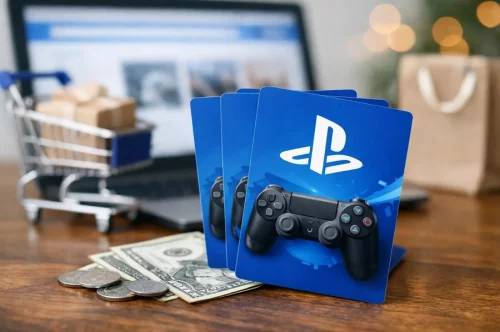
These are usually the most straightforward. If you already buy digital games, add-ons, or subscriptions on console, discounted wallet credit is basically a built-in price cut. The advantage here is flexibility. You are not locking into one title. You are lowering the cost of whatever you choose next.
The trade-off is that discounts on these cards are often modest. That is normal. Trusted deals on major console credit tend to be smaller because demand stays high.
Roblox, Google Play, and Apple gift cards
These are strong options for mobile gamers, younger players, and anyone spending on in-game currency, premium apps, or recurring content. They are especially useful if you make a lot of smaller purchases over time, because the savings apply across multiple transactions instead of one big buy.
The downside is budget drift. Store credit feels less painful to spend than cash, so it is easier to burn through it quickly on add-ons and microtransactions.
Streaming and subscription cards
Netflix, Discord, and similar gift cards are less about gaming performance and more about reducing recurring digital expenses. If you already keep these subscriptions active, discounted top-ups are a clean way to trim monthly costs.
These are not the most exciting deals, but they are practical. For many buyers, practical wins.
How to spot safe gift card deals
Low price matters, but reliability matters more. A bad code, delayed delivery, or poor support can wipe out the value of any discount fast. If you are buying digital gift cards online, the goal is cheap and verified, not just cheap.
Check seller credibility before the discount size
A trusted marketplace should make product type, region, activation details, and delivery method clear before you pay. If the listing is vague, that is a problem. If there is no clarity on whether a card is region-locked, stackable, or digital delivery only, skip it.
You should also pay attention to support quality. Fast delivery is great, but responsive support matters when something goes wrong. That is especially important for gift cards because buyers usually want them immediately.
Be careful with deals that look too aggressive
Huge discounts on major gift cards can happen, but they are less common than people hope. If a card with stable demand is priced far below the normal market range, you should pause and look closer.
Sometimes the explanation is simple, like a short-term promotion. Other times, the deal comes with restrictions, limited stock, or regional conditions. And sometimes it is just not worth the risk. The cheapest option is not always the best buy.
How to get more value from gift card deals
The smartest buyers do not treat gift cards as random bargains. They use them as part of a buying strategy.
One good approach is stacking. Buy discounted platform credit first, then use that balance during a game sale, seasonal event, or subscription promo. That gives you two layers of savings instead of one. It is especially effective on stores that run frequent discounts on older AAA games, DLC packs, indie bundles, and premium editions.
Another good move is choosing flexible denominations. A very large card can be useful if you know your spending pattern, but smaller amounts are often easier to manage and less likely to leave extra balance sitting unused. It depends on how you buy. Frequent small purchases favor flexibility. Big planned purchases favor larger top-ups.
If you shop often across games, software, and digital services, keeping an eye on weekly deals can help you time purchases better. A marketplace like Playnox fits that style because it is built around fast digital delivery and broad category coverage, not just one platform or one type of code.
When gift card deals are not the best option
Sometimes the better move is skipping the card and buying the item directly. If a game key, software license, or subscription code is discounted more heavily than the platform credit needed to buy it, the math can favor direct purchase.
This is common when a specific game or software product is already on sale through a marketplace. In that case, generic store balance may be less efficient than buying the exact code you want. The best choice depends on whether you want flexibility or the lowest immediate price.
Gift cards are strongest when you want choice, expect to spend soon, and can buy from a seller you trust. They are weaker when you are chasing one exact product with a deeper direct discount elsewhere.
Are gift card deals worth it?
Yes, if you buy with a plan. The best gift card deals are not about flashy percentages. They are about reducing your real cost on digital spending you were already going to make, while keeping delivery fast and the purchase process safe.
For gamers, that usually means prioritizing console wallet cards, app store balance, subscription top-ups, and brand-name digital credit that fits your actual habits. Buy for use, not for the thrill of a discount. That is how small savings turn into real value over time.
The smart play is simple: choose cards you will use soon, buy from trusted marketplaces, and let the discount work before your next checkout even starts.